
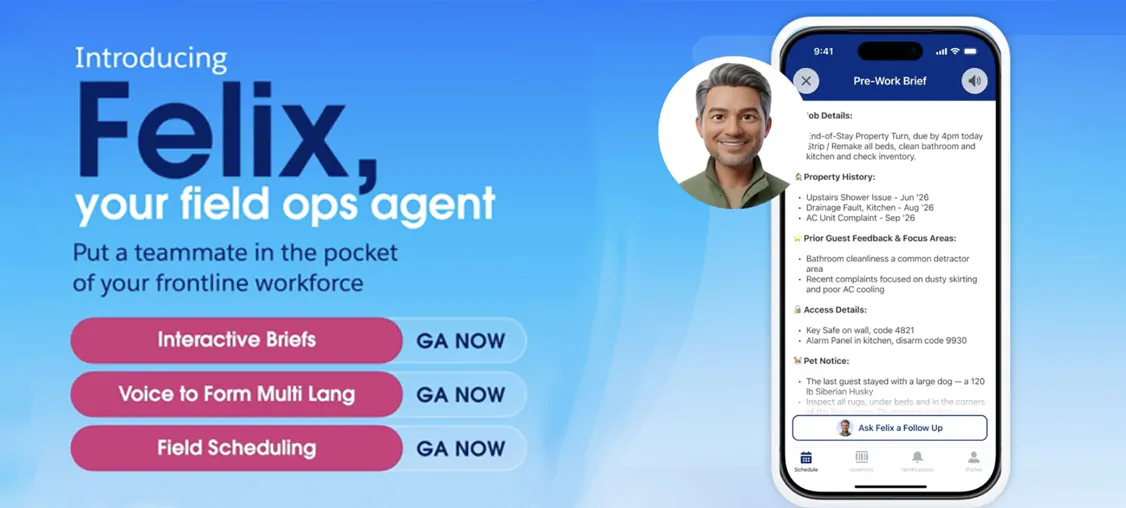
Felix is Salesforce's new field service AI agent, built for the people out on the job.
Who Felix is for and how it works
Felix is for any business that sends people out to install, fix or maintain things. Think trades, installers, utilities and equipment servicing.
Felix is an AI agent built into the tools your technicians use.
- It lives in the app your technicians carry. Felix is built into the Salesforce Field Service mobile app. No new app to install, learn, and use.
- It works from what you have. Customer history, equipment records, manuals, past repairs and your own help articles.
- It can read briefs out loud. Technicians can hear their job brief as audio on the drive over, instead of reading it.
- Its reports can be changed in plain words. Technicians tell it what to fix in the job summary, and only that part changes.
Felix works alongside Salesforce's Scheduling Agent, which books, moves and cancels visits any time of day. Scheduling Agent gets the right technician to the door. It helps them get the job done once they're there.
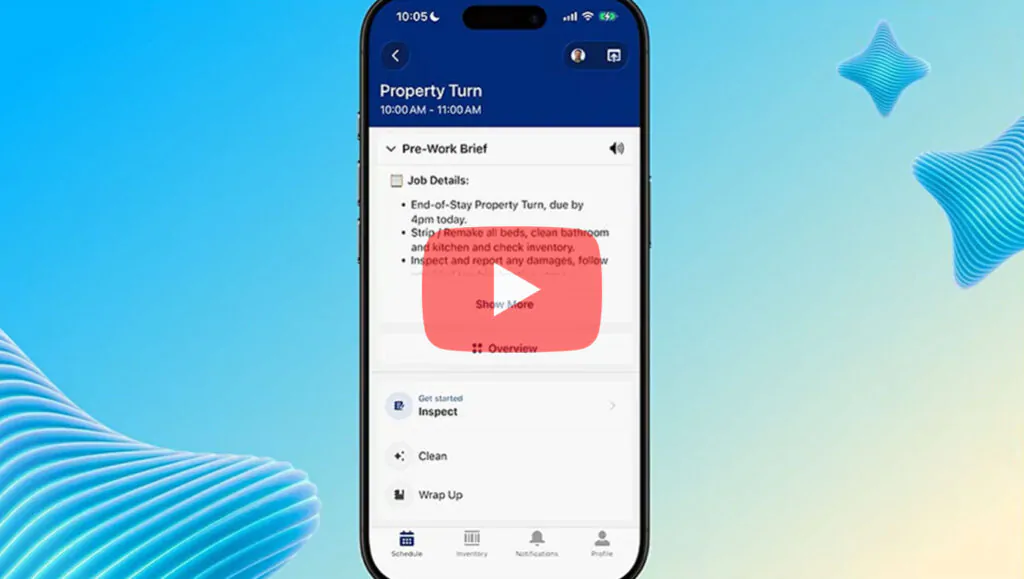
👉Watch Felix get a technician ready for the job, live at Dreamforce.
What Felix looks like on the job
Think about where your field jobs go off track.
A technician asks the customer what the problem is, even though they explained it on the phone. The right part isn’t in the van, so it’s a second visit. The job notes get written up from memory at the end of the day. Each one costs you time, money and goodwill. That’s what Felix is built to fix.
- The technician arrives already knowing the story. On the drive over, Felix gives a quick brief on the customer's history and the equipment. Customers don't have to explain it all again at the door.
- Walks technicians through tricky fixes, step by step. Felix guides each step and adjusts based on what's already been tried. More jobs get fixed on the first visit, so customers aren't left waiting for a second trip.
- Pulls answers from your knowledge, right there on site. Manuals, past repairs, your own help articles. Felix finds the answer while the technician is still at the job, so customers aren't left standing around while someone calls the office.
- The job report done before they leave. Felix drafts the job summary as the visit wraps up. The technician checks it, and the customer and the office both get an accurate record.
For your business, that adds up to fewer second trips and a lot less end-of-day paperwork.
Take Axis Water Technologies, a Texas water treatment business facing a problem many Aussie field teams know well: not enough skilled technicians. With Salesforce's field service AI, its new hires are job-ready in about three weeks instead of two months. And call-outs are down 20%.
Before Felix: what years in the field taught ProQuest
We've spent a lot of time in field service. With glaziers, grouters, and TV installers. Gas suppliers and energy companies. Even an expedition cruise line, with contractors spread across the globe.
At Express Glass, we helped put Salesforce Field Service in the hands of glaziers right across Australia. First-time fixes went up 28%. Weekday overtime dropped by around a third.
At The Grout Guy, customers now send a photo of their tiles to get a quote. Within 12 weeks, its 60 grouters went from 420 visits a week to 1,020. Quoting dropped from 2-3 days of work a week to under 40 minutes.
Our work with JB Hi-Fi’s installations team started in 2022. Today, customers book their installation at checkout and reschedule it themselves. Each job goes to the right installer automatically, and installer invoices create themselves. The Good Guys now runs on the same platform.
At Aurora Expeditions, the job site is a ship. We set up Salesforce Field Service to match the right specialists to each of its 75 or so voyages a year, from more than 1,000 contractors across 20+ roles. Customer satisfaction: a perfect 5 / 5.
None of these used AI agents. But they showed us where field service really gets stuck. In most teams, the best know-how lives in the heads of a few senior technicians. When they're on leave, or move on, it goes with them.
Felix can put that know-how in every technician's pocket. But only if it's written down. If your team has been writing "fixed" in the job notes for years, there's not much for Felix to work with.
Good job notes today make a more useful Felix tomorrow.
Getting started with Felix is easier than you think
- Identify quick wins with your most common jobs. Find out which type of job your team does most often. Save 10 minutes on a job you do 200 times a month, and your team gets back more than 30 hours. It’s also the job with the most history, so Felix has plenty of past repairs to work from.
- Get the fix guides for that job in one place. In most field teams, they're scattered across PDFs, shared drives and senior technicians' heads. Put them into Salesforce, so Felix can refer to them when finding the right answer on site.
- Simplify your job report, so Felix drafts the right one. Sit down with your office team and a few technicians, and agree on what the report really needs. What does the business need for billing, compliance and follow-ups? What will the next technician need on the next visit? Cut everything else. Felix drafts the summary at the end of every job, so a clear, simple report means less checking and fewer gaps.
- Trial it with one crew first. Let a small team use the job briefs and reports, and track two things: return visits and time spent on paperwork. When those numbers move, roll it out to everyone.
Your customers never see Felix.
They just notice the technician turned up knowing the problem, and fixed it the first time.
Thinking about Felix for your field team? Book a 30-minute chat. Walk us through a typical job, and we'll show you where Felix could make the biggest difference.